
Skoltech University Scholarship 2026 in Russia (Fully Funded)
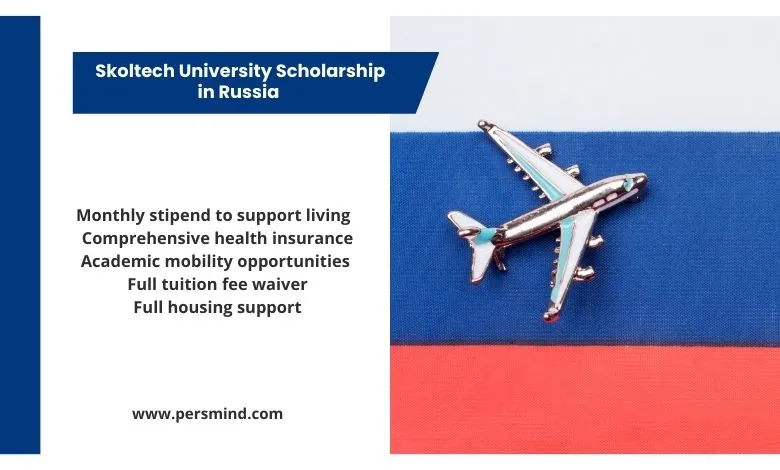
If you are looking for a fully funded scholarship in Russia to study in English at a modern research university in Moscow, the Skoltech University Scholarship (Skoltech) offers one of the most competitive opportunities for Master’s and PhD students in engineering, computing, data science, and applied sciences.
One of the biggest advantages of Skoltech is that the language of instruction is English—not Russian—according to the university’s official information. The scholarship typically includes a full tuition waiver, a competitive monthly stipend, medical insurance, and additional benefits that may include housing support and academic or research mobility opportunities.
Overview of the Skoltech University Scholarship 2026
- Host Country: Russia
- City: Moscow
- University: Skolkovo Institute of Science and Technology (Skoltech)
- Degree Levels: Master’s (MSc) and PhD
- Language of Instruction: English
First Wave Deadlines
- Master’s Programs: March 16, 2026
- PhD Programs: April 27, 2026
Applicants are strongly advised to apply in the first wave due to higher availability of funded positions.
You can also explore the Korean Government Scholarship for Graduate Studies
What Does the Skoltech Scholarship Cover?
Based on Skoltech’s admissions information and official program descriptions, the scholarship usually includes:
• Full tuition waiver
• Monthly stipend to support living expenses
• Medical/health insurance coverage
• Housing support or assistance
• Opportunities for academic mobility and participation in international research projects
This funding structure allows students to focus entirely on research and academic development without major financial pressure.
For regular updates on scholarships and academic opportunities, follow our official platforms:
FacebookYouTubeInstagramTelegramTikTok
Fields of Study at Skoltech 2026
Master’s Programs (MSc)
Skoltech promotes high-demand and globally competitive disciplines. Typical areas include:
• Mathematics and Computer Science
• Applied Mathematics and Physics
• Information Systems and Technologies
• Electrical Engineering
• Information Technology and Engineering
• Materials Science and Engineering
• Biotechnology
• Energy-related and robotics tracks (depending on the academic year)
Applicants should review the official MSc program list to confirm the exact tracks available for the 2026 intake.
PhD Programs
Doctoral tracks generally include advanced research pathways such as:
• Computational and Data Science
• Information Technology and Engineering
• Physics
• Life Sciences
• Engineering Systems
• Mathematics and Mechanics
• Other laboratory-based research areas depending on faculty availability
PhD applicants are expected to align their research interests with faculty members and ongoing projects.
You may also check the Undergraduate Scholarships in Canada for International Students
Eligibility Criteria – Who Can Apply?
Skoltech typically welcomes both domestic and international students.
Master’s Requirements
Applicants must hold a relevant Bachelor’s degree (or equivalent) from a recognized university.
PhD Requirements
Applicants must hold a relevant Master’s degree (or equivalent) from a recognized institution.
Can Final-Year Students Apply?
Yes. Final-year students are often allowed to apply, provided they complete all academic requirements before enrollment begins.
Is IELTS, TOEFL, or GRE Required?
Although Skoltech confirms that the language of instruction is English, standardized tests are generally not mandatory in many cases.
If your previous degree was completed in English or in an English-taught program, that may be sufficient proof of proficiency.
GRE scores are often optional. However, submitting a strong GRE result can strengthen your application, especially in competitive fields such as data science, engineering, or mathematics.
Required Documents
Applicants should prepare a complete and well-organized application file in English, including:
• Online application form through the Skoltech portal
• Statement of Purpose (SOP)
• Academic CV
• Two Letters of Recommendation
• Academic transcripts and degree certificates (or recent transcript for final-year students)
• TOEFL/IELTS results if required
• GRE scores (optional but beneficial)
Important Advice
Your CV should be academic and research-oriented, not purely professional. Include:
• Graduation projects
• Research publications (if any)
• Technical certifications
• Programming skills
• Research internships
• Hackathons or academic competitions
Strong documentation can significantly improve your chances of admission.
You may also check the Master Mind Scholarship at KU Leuven, Belgium
How to Apply for the Skoltech Scholarship 2026
The application process is fully online through the official admissions portal.
Step 1: Visit the Official Admissions Page
Access the Skoltech admissions section through the university’s official website
Step 2: Choose Your Program
Select MSc Programs (for Master’s) or PhD Programs (for Doctorate).
Step 3: Create an Account
Register on the official student portal and create your applicant profile.
Step 4: Upload Documents and Complete the Form
Fill in your personal details exactly as they appear in your passport.
Upload clear and well-structured PDF documents.
Step 5: Follow Up via Email
After submission, monitor your email regularly.
Selection stages may include:
• Online or in-person interview
• English proficiency check (if required)
• Subject-specific assessment
• Innovation or research-related challenges in certain tracks
Why Is Skoltech a Strong Opportunity?
Study in English in Russia
For international students who do not speak Russian, studying entirely in English is a major advantage.
Modern Research Environment
Skoltech positions itself as a technology-driven research university that integrates education, scientific research, and industrial application. This makes it ideal for students aiming for academic research careers or high-level technical industries.
Financial Support That Reduces Pressure
Full tuition coverage plus a monthly stipend and medical insurance allows students to focus on academic excellence and research productivity.
Important Dates You Should Not Miss
- Master’s (First Wave): March 16, 2026
- PhD (First Wave): April 27, 2026
Applying early significantly increases your competitiveness.
You may also check the Best Scholarships by Major
Frequently Asked Questions (FAQ)
Is the scholarship truly fully funded?
Yes. Skoltech scholarships typically include tuition waiver, monthly stipend, medical insurance, and housing support.
Do I need IELTS or TOEFL?
Not always. It depends on your academic background and proof of English proficiency. However, submitting a valid test score may strengthen your application if your English background is not clearly documented.
Is GRE mandatory?
In many cases, it is optional. But a strong score can improve your ranking in competitive programs.
Is there a minimum GPA requirement?
Skoltech may not always publish a strict minimum GPA. However, admission is competitive, and a strong academic profile, research background, and solid recommendations are essential.
Submit your application for the Skoltech University Scholarship
For regular updates on scholarships and academic opportunities, follow our official platforms:
FacebookYouTubeInstagramTelegramTikTok
