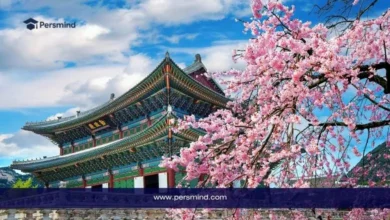
Youth Empowerment Forum in Switzerland 2026 | Fully Funded Opportunity for Youth in Geneva
Have you ever dreamed of entering the Palace of Nations in Geneva as a young leader? Do you seek to enhance your diplomatic skills in the world’s most prestigious centers of global dialogue? The Youth Empowerment Forum (YEF Geneva) is now opening its doors to ambitious individuals from around the world to participate in an exceptional experience that combines theoretical learning with practical application in the heart of international action.
In this detailed article, we will review all the specifics regarding this forum, starting from the financial benefits and funding to how to submit a strong application that guarantees you a place among the 250 young people who will gather in Geneva.
Why is the Youth Empowerment Forum in Switzerland the most important of its kind?
Geneva, Switzerland, is the global capital of diplomacy, human rights, and humanitarian work. This massive event is organized by the Center for Global Dialogue and Leadership (CGDL), following the overwhelming success of the first edition in 2025. The forum is not just a conference; it is a “leadership accelerator” that puts you face-to-face with decision-makers in the largest international organizations.
Key Forum Highlights:
Visiting the Palace of Nations: Being present at the United Nations European headquarters and understanding the mechanisms of international decision-making.
World Trade Organization (WTO): Specialized briefing sessions on how the global economy is managed.
Interaction with Experts: Workshops led by practicing diplomats and first-class academics.
For regular updates on scholarships and academic opportunities, follow our official platforms:
FacebookYouTubeInstagramTelegramTikTok
YEF 2026 Summary
| Item | Details |
| Host Country | Switzerland |
| City | Geneva |
| Organizing Entity | Center for Global Dialogue and Leadership (CGDL) |
| Dates | September 3 to 6, 2026 |
| Number of Participants | 250 participants of all nationalities |
| Application Deadline | July 5, 2026 |
| Eligibility | Open to students, graduates, and professionals (ages 16–46) |
Participation Categories and Funding Types
What distinguishes the Youth Empowerment Forum 2026 is the diversity in participation categories, allowing everyone an opportunity based on merit and financial capability:
Fully Funded Seats: The most competitive category, covering all costs from airfare to local transportation.
Partially Funded Seats: The organization covers a large portion of the costs (accommodation and fees), while the participant covers their airfare.
Forum Access Only Seats: Includes attendance at all events and visits but does not cover accommodation or travel.
Self-Funded Category: For those who wish to secure their seat and cover all personal expenses.
You may also check the Dubai Global Future and Sustainable Leadership Summit
Financial Benefits for Fully Funded Seats
If you are talented and distinguished enough to receive full funding, you will receive:
Airfare: Round-trip tickets from your country to Geneva.
Accommodation: Comfortable housing throughout the forum in a Geneva hotel.
Meals: Full coverage of breakfast, lunch, and dinner.
Transportation: Airport pickup, plus a free Geneva Transport Card for unlimited use of buses, trains, and boats within the city.
Leadership Certificate: Receiving the “Global Leadership for UN Sustainable Development Goals” certificate.
Exclusive Access: Visiting UN and WTO headquarters and participating in all sessions.
The $1000 Grant: Impact Grant
The forum does not stop at training; it seeks to support youth initiatives on the ground. YEF 2026 will announce a $1,000 USD prize awarded to the best project or initiative presented by a delegate that contributes to achieving the Sustainable Development Goals (SDGs). This grant is an excellent step toward funding your startup project or expanding your community impact.
Educational Tracks
The program is designed to be intensive and practical, divided into two main tracks:
1. Global Governance and Diplomatic Leadership Track
Dedicated to those interested in political science and international relations. It includes:
Policy Simulation: A live experience of international crisis management.
Strategic Dialogues: Discussion sessions with ambassadors and permanent representatives to the UN.
Palace of Nations Visit: A detailed tour through the corridors of global decision-making.
You may also check the IRENA Youth Conference in UAE
2. Global Institutions and International Cooperation Track
Focuses on technical, economic, and cross-border cooperation aspects, including:
WTO Briefings: Understanding the role of trade in sustainable development.
Humanitarian Cooperation: How international organizations work in emergencies and conflicts.
Innovation and Technology: The role of digital transformation in economically empowering youth.
You may also check the Global Vision Assembly Conference in Portugal
Eligibility Criteria
The good news is that the forum features great flexibility to encourage diversity:
Nationality: Open to citizens of all countries worldwide without exception.
Age: Applicants must be between 18 and 46 years old (as per the summary table/description).
Specialization: No specific major is required; we welcome doctors, engineers, lawyers, artists, and entrepreneurs.
Language: Good knowledge of English is necessary for participation, but a formal IELTS or TOEFL certificate is not required at the time of application.
Passion: Must demonstrate a genuine interest in issues of peace, sustainable development, and humanitarian work.
Step-by-Step Guide for a Successful Application
To increase your chances of being accepted for a fully funded seat:
Advance Preparation: Update your CV, focusing on volunteer and leadership activities.
Personal Statement: This is the most important part. Explain how your attendance in Geneva will impact your local community and how your goals align with the UN goals.
Online Form: Enter the official website and ensure your data is written exactly as it appears in your passport.
Fee Payment: Complete the electronic payment process to activate your application.
Recommendations: It is preferable to have names of references (professors or managers) who can be contacted to verify your competence.
You may also check the Youth Leadership Conference in Canada
Career Impact of Participating in YEF Geneva
Attending a forum in Geneva is a long-term investment:
Networking: Meeting 250 young people from the world’s elite minds, opening horizons for international cooperation.
CV Enrichment: Having “Participant in the Youth Empowerment Forum in Geneva” on your CV attracts the attention of major companies and international organizations.
Skill Development: Learning the arts of negotiation, public speaking, and teamwork in a multicultural environment.
Conclusion
The Youth Empowerment Forum 2026 in Switzerland is more than just an event; it is a gateway to the future. If you have the passion and the ability to make a change, do not let this opportunity pass you by. Geneva awaits you to start your journey toward global leadership.
Apply for the Youth Empowerment Forum
For regular updates on scholarships and academic opportunities, follow our official platforms:
FacebookYouTubeInstagramTelegramTikTok